Il futuro del Made in Italy Circolare e Sostenibile inizia qui
Technology, design and sustainability: MICS connects businesses, research and local communities to drive change
MICS is the driver guiding the evolution of the manufacturing industry toward a new production paradigm: more circular, more traceable, more sustainable.
We support those who innovate, design and manufacture in Italy, enhancing know-how and reducing environmental impact — from fashion to furniture, from automation to the entire manufacturing system.
Projects
Rebirth and Challenges of Territorial Enterprise Systems: The Role of Sustainability in Enhancing Made in Italy
Distributed, social, interactive, and sustainable fashion showroom and logistics
Mechatronics-oriented Digital Thread Ready Platform for Process Optimization
Digital technologies and additive manufacturing processes supporting new high-value, low-cost repair methodologies for a circular and sustainable Made in Italy
A platform for modeling, managing, and maintaining collaborative manufacturing systems
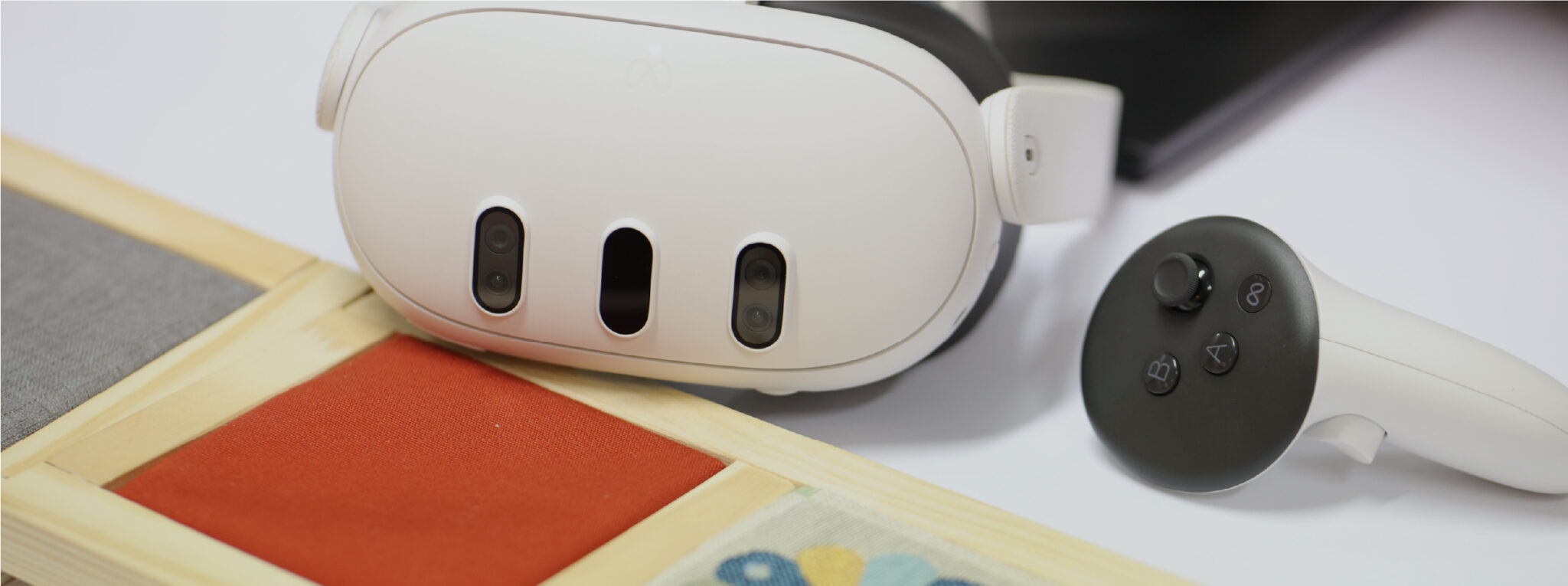
Development of an immersive, multi-sensory virtual platform for prototyping and simulation
Innovative digital methodologies for the in situ fabrication of sensors based on optimized conductive patterns, obtained through intelligent additive manufacturing processes for key Made in Italy sectors
Design and Numerical Simulation Techniques for the Development of Innovative and Sustainable Structural Cores through Robotic Additive Manufacturing
Additive manufacturing with circular, AI-driven innovation for metal components
Innovative strategies for sustainable, circular and human-centric footwear manufacturing
An innovative system for realistic textile rendering, 4D barcode traceability, and inclusive multisensory experience
Biomateriali; Materiali bioplastici; Recupero degli scarti; Produzione circolare; Supporto alle comunità locali
Thermoplastic elastomers from renewable sources, degradable and recyclable, as a potential alternative to traditional rubber in the footwear industry
Revolutionizing the Textile Industry with Generative Artificial Intelligence
Biocomposite films made from biodegradable polymers and agri-food waste for packaging production
Ecological and Sustainable Recovery of Collagen and Its Use in Circular Economy within the Leather Industry
Nano-Technological Anti-Counterfeiting Strategies for Sustainable Made-in-Italy
Digital twin, Additive Manufacturing (AM), Machine Learning (ML)
Sustainable and Inclusive Work Environments for the Logistics of the Fashion and Lifestyle Sector
Reconfigurable Soft and High-tech Surfaces for Delicate Leather Handling
Smart digital Sardinia: artificial intelligence for exporting the new Sardinian brocade
Acoustic innovation and sustainability through textile reuse
Sustainable Modular Edge Computing Systems for Digital Energy Efficiency Applications
New Finishing and Reuse of Children’s Clothing
New Solutions for Sustainability and Circularity in the Textile-Fashion Sector
Smart, Ultraweight, Sustainable and Totally Recyclable Pultruded Profile
From waste recovery to valorization of by-products from the agri-food industry
Antimicrobial fabrics: sustainable nature-inspired innovative solutions
Generative AI platform for designing garments from production leftovers
Digital eco-friendly sustainable desk for smart workers and tourists
Product Lifecycle Management For Circularity
Smart high-efficiency servo-drives for textile machinery
Experimental study and AI-based modeling of solvent separation and recovery processes for the sustainable and innovative recycling of polyamide-based textile waste
Bio-inspired sandwich composites with 3D-printed biodegradable cores
Project for the recovery of thermoplastic polymer from production waste of Euro 7 CAB/CAD engine air intake systems for vehicles
Long Life Manufacturing for the Circular and Sustainable Transition of Made in Italy Furniture
Sustainable processes and products for the tanning industry
Molding Eco-Friendly Furniture Elements from Recycled Cellulose and Waste (Cradle to Cradle Approach)
Sustainable Optimization of Additive Processes for Excellence in Made in Italy
Development of Eco-Sustainable Materials for Fashion Accessories
Italian Design for Reticular Heat Sinks
Catalytic Approaches for the Chemical Recycling of Plastics
Circular ECOnomy in the TESSile sector of Sardinia: circular business models and new technology applications
Observatory on the Sustainable Supply Chain of Native Wools
PLAnning and Implementation Actions for sustainability and circularity
Additive Manufacturing of Iron-Nickel Based Alloys
Bridging Predictive Maintenance and Machine Learning for Enhanced Performance and Sustainability
Conversational Intelligence for Robotic Applications in a Circular and Sustainable Factory
Multiscale Simulations to Optimize the Synthesis and Thermoelectric Properties of Two-Dimensional Metal-Organic Frameworks
Spoke
A future eight times more sustainable and circular
Each of the eight Spokes represents a thematic research area in which MICS partners can collaborate along a shared path. These research domains are cross-cutting and apply to multiple industries.





Public partners


Private partners